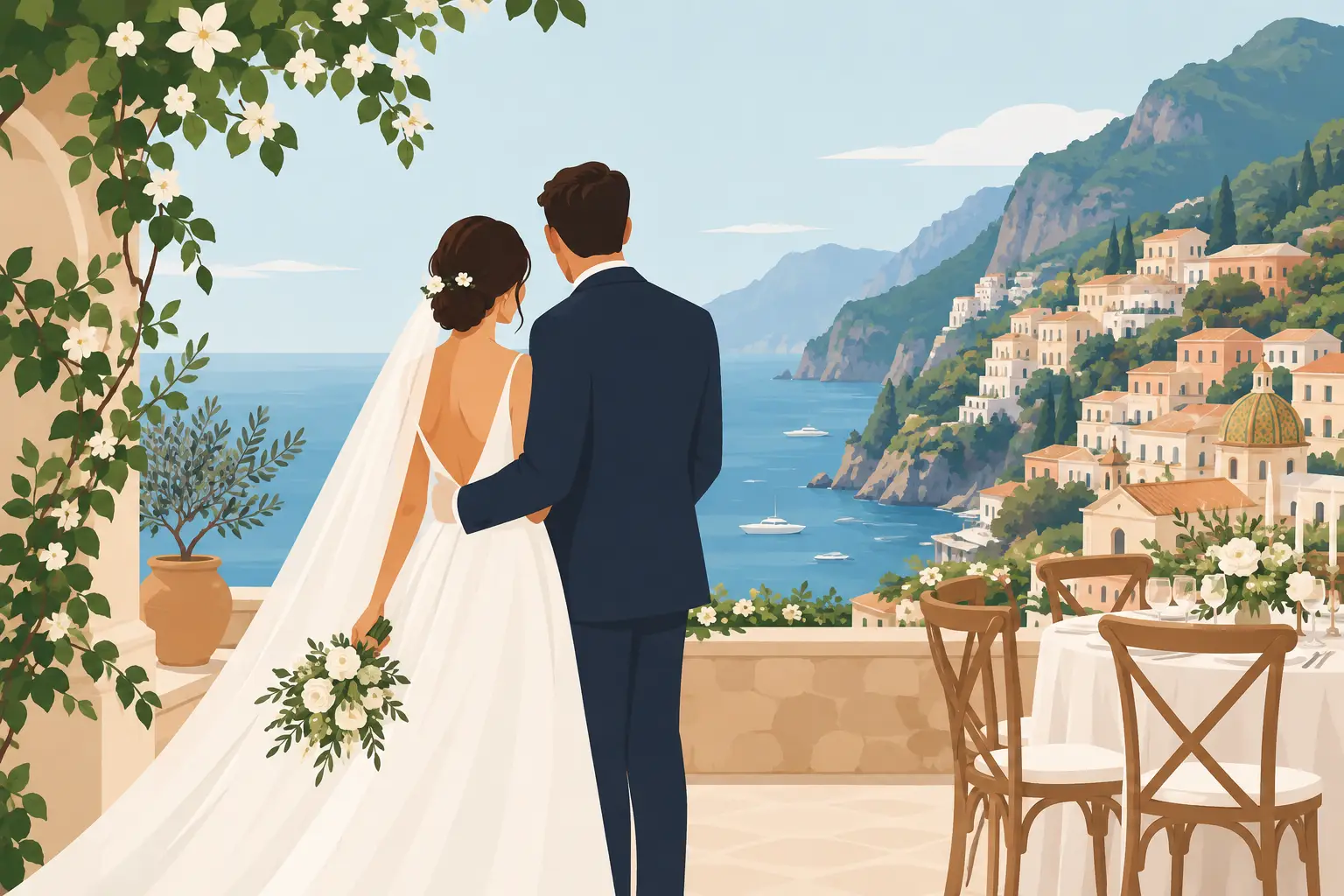
The first toast under a Tuscan sky, a candlelit dinner on Lake Como, the sound of church bells crossing a village square – Italy gives a wedding its own atmosphere before the first flower is placed. But to plan an Italian wedding that feels effortless for you and your guests, romance needs a precise operational foundation.
The real luxury is not simply choosing a beautiful villa. It is arriving knowing that every transfer is accounted for, every supplier understands the brief, every guest has clear information, and the celebration has room for the unexpected magic that cannot be scheduled. Your moment is personal. The planning behind it must be disciplined.
Start With the Feeling, Then Choose the Italian Setting
Italy is not one wedding destination. It is a collection of distinct worlds, each with its own rhythm, architecture, food, climate, and logistics. The best location is the one that reflects how you want guests to feel, not merely the image you saved months ago.
Tuscany suits couples who picture long outdoor tables, vineyard views, rolling hills, and a relaxed multi-day gathering. Lake Como has a more formal, cinematic energy, with grand villas, boat arrivals, and polished service. Puglia brings sun-washed masserie, olive groves, and an inviting southern warmth. The Amalfi Coast is dramatic and unforgettable, yet its narrow roads, steep terrain, and high-season traffic ask for especially careful planning. Sicily offers depth, history, bold flavors, and varied landscapes, while Rome, Florence, and Venice give city-loving couples extraordinary cultural atmosphere.
There is no universally right answer. A glamorous Lake Como celebration can be perfect for a smaller guest count and elevated dinner experience, while a Puglian estate may offer more space and value for a larger weekend. Start with three decisions: the guest experience you want to create, the number of people you expect, and the level of travel complexity everyone can comfortably manage.
Visit With Purpose, Not Just Emotion
A site visit is valuable, but only if you inspect the venue through both a guest and production lens. Stand in the ceremony position at the planned time of day. Ask where the sun will fall, whether wind affects the setup, and how far guests will walk in formalwear. See the rain-plan room, kitchen access, restrooms, parking, loading areas, and the route from dinner to dancing.
A view can sell a venue in seconds. A strong operational plan is what protects that view from becoming a stressed guest experience. We do not talk, we act. We do not say, we show. We do not promise – we prove it in the details guests may never notice because everything simply works.
Set a Budget That Includes the Whole Experience
Destination wedding budgets often become difficult when couples price the venue and catering first, then discover the costs that make an international celebration function. In Italy, those costs can include transportation, accommodation coordination, local taxes, service fees, permits, late-night music restrictions, generator requirements, translation support, welcome events, and supplier travel.
A clear budget should reflect your actual priorities. If food and wine are central to your celebration, protect that investment rather than spreading funds across details that do not matter to you. If you want an exceptional live band, account for sound equipment, staging, accommodation, and potential curfews from the beginning. If guest comfort is non-negotiable, reserve a meaningful portion for transfers, clear communications, and a reliable weather backup.
Ask for transparent proposals that explain what is included, what is estimated, and what could change. Italy’s venue and supplier structures vary widely. Some venues require in-house catering or an approved supplier list. Others offer flexibility but need additional infrastructure brought in. Neither model is automatically better. The right model depends on your vision, budget, guest count, and appetite for complexity.
Protect a Contingency From Day One
A contingency is not a sign that your plan is uncertain. It is the freedom to respond confidently when a detail changes. Exchange rates, last-minute guest needs, weather adjustments, and production additions can all affect final costs. Setting aside a realistic reserve means decisions are made calmly, not under pressure.
Create a Guest Journey, Not Just a Wedding Day
Your guests are traveling across an ocean or across Europe to celebrate with you. Treat their journey as part of the event. The experience begins long before the ceremony and continues after the final dance.
Give people practical information early: the closest airports, expected transfer times, recommended arrival dates, dress guidance, local weather, and accommodation options across a few price points. A wedding website or carefully prepared digital guest guide can reduce repetitive questions while making everyone feel looked after.
For a multi-day wedding, pace matters. A welcome aperitivo or casual pizza evening helps guests arrive, meet one another, and settle into the destination. The wedding day can then remain the emotional center. A relaxed farewell brunch offers a softer final moment, especially after a late celebration. Not every event needs a packed itinerary. Often, guests value free time to swim, explore, rest, or enjoy a long Italian lunch of their own.
Transportation deserves early attention. Historic centers, coastal roads, and rural estates can be beautiful precisely because access is limited. Group shuttles, boats, golf carts, or timed transfers may be needed. The goal is simple: no guest should feel stranded, confused, or worried about getting home after celebrating you.
Build a Team That Understands Italy and Your Standards
Italy has extraordinary wedding professionals, from floral designers and chefs to musicians, photographers, and artisans. The strongest supplier team is not necessarily the longest list of famous names. It is the group whose style, communication, timing, and standards match your celebration.
Ask how each supplier works with international clients and what is included in their proposal. Confirm setup and breakdown windows, meal requirements for vendor teams, technical needs, backup equipment, and payment schedules. For photographers and videographers, discuss not only visual style but also how present or discreet you want them to be. For florals, be open to seasonal Italian materials rather than trying to recreate an out-of-season look at any cost.
Language matters as well. A multilingual planning team can prevent small misunderstandings from becoming costly issues, especially across venue contracts, schedules, local rules, and on-site requests. HEARTBEAT EVENTS INTERNATIONAL brings destination knowledge, trusted international partners, and end-to-end ownership to this process, so couples can stay close to the joy of their wedding while every moving part has a responsible lead.
Know the Legal and Cultural Details Early
Some couples choose a legal marriage in their home country and hold a symbolic ceremony in Italy. Others want the legal ceremony to happen there. Both are meaningful choices, but the paperwork, timeline, translations, and local requirements can differ based on nationality and municipality.
Begin this conversation early with qualified local guidance. Do not assume that rules from one Italian region or town apply everywhere. Religious ceremonies can also involve specific documentation and preparation requirements. A symbolic ceremony offers greater flexibility in timing and location, while a legal Italian ceremony may carry a deeper sense of place for you. The best choice depends on what matters emotionally and administratively.
Cultural awareness adds elegance to the day. Respect local noise restrictions, especially at countryside venues and historic properties. Plan dinner later than you might in the United States, but ensure older guests and young children are comfortable. Let the meal breathe. Italy does not rush hospitality, and neither should a wedding built around gathering people you love.
Plan for Weather Without Diluting the Vision
Outdoor Italian weddings are glorious, but every destination needs a weather strategy. Heat, wind, rain, and cool evening temperatures can affect ceremony timing, floral choices, menu service, hair and makeup, dancing, and guest comfort.
A rain plan should feel like a second intentional design, not an emergency compromise. Ask where dinner moves, how quickly the change can happen, whether flooring and lighting work indoors, and how guests will be informed. For summer events, consider later ceremonies, shaded aperitivo areas, water stations, fans, and transportation that avoids long walks in heat. In shoulder season, plan for warmth after sunset with wraps, heaters, or an indoor transition.
The most beautiful celebrations are not those that control nature. They are those prepared enough to embrace it.
Give the Day a Calm, Capable Center
On the wedding day, someone must hold the schedule, the suppliers, the weather decisions, the family questions, the missing boutonniere, and the last-minute request from the band. That person should not be you, your partner, or a member of your wedding party.
A detailed production schedule aligns every team member, from the first delivery to the final departure. It should include contacts, timings, setup locations, transport routes, meals, speeches, music cues, contingency plans, and decision-making authority. The schedule is not there to make the wedding feel rigid. It creates the confidence to be fully present when the moment arrives.
Choose Italy because it makes your heart beat faster. Then choose a planning approach that lets you hear the laughter at dinner, taste the wine, and hold each other close under the lights – without carrying the work of the celebration on your shoulders.